
Brown hairs in the black scene
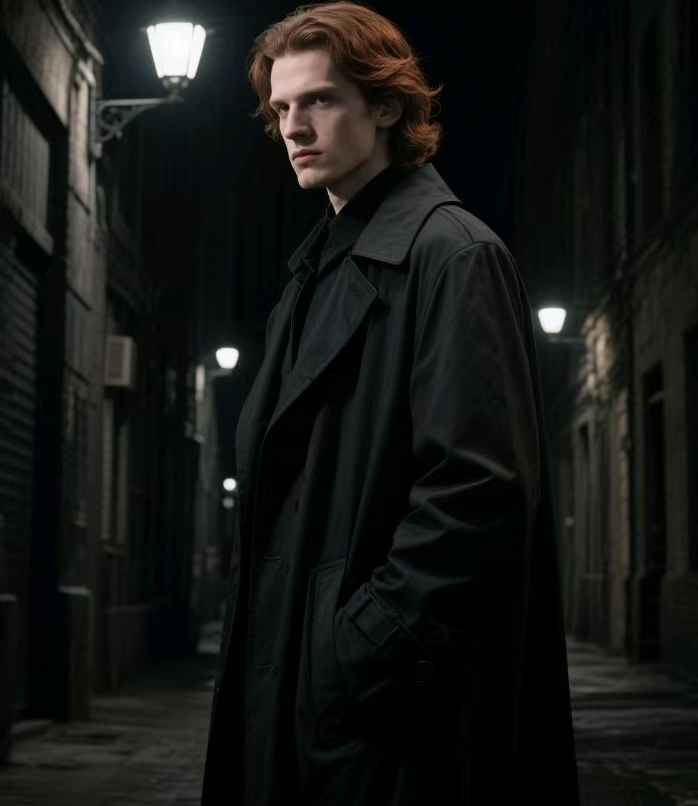
The Enigmatic Allure of Brown Hairs in a Black Scene
In the depths of a black scene, strands of brown hair emerge as subtle beacons—threads of warmth and life that cut through the darkness. Whether in a photograph, painting, or real-life moment, this contrast weaves a narrative of contrast, vulnerability, and quiet resilience, turning ordinary details into poetic statements.
1. The Visual Contrast: Warmth Against Void
Imagine a portrait set against a pitch-black backdrop, where a subject’s chestnut-brown hair spills over their shoulders. The blackness serves as a void, making each brown strand glow with unexpected richness—sunlight-bleached highlights become gold against the dark, while deeper chocolate tones reveal intricate textures. It’s a study in opposites: the softness of hair versus the harshness of black, the organic versus the artificial, the ephemeral versus the eternal.
In film, this motif might appear in a night scene where a character’s brown hair catches the flicker of a streetlight, creating fleeting streaks of amber in the shadows. The effect is haunting, as if the hair itself is a source of light in the darkness.
2. Symbolism in Strands: Fragility and Persistence
Brown hair in a black scene often carries symbolic weight. The black backdrop might represent grief, mystery, or uncertainty, while the brown hair—soft, alive, and tangible—becomes a symbol of hope or connection. Think of a widow wearing a black dress, a single strand of brown hair escaping her bun: it’s a reminder of her humanity beneath the facade of mourning.
In literature, this image might describe a protagonist lost in a dark forest, their brown hair tangled with twigs—a physical representation of their struggle to find their way. The hair, though small, refuses to be consumed by the blackness around it.
3. Textural Poetry: Hair as a Living Element
The texture of brown hair stands out starkly against black. Curly locks might form spirals of caramel, while straight strands create smooth rivers of mahogany. In a still life, a brown hairbrush placed on a black velvet cloth becomes a study in tactile contrast: the softness of bristles versus the plushness of velvet, the earthy brown versus the inky black.
Photographers often use this contrast to highlight movement. A gust of wind lifting brown hair in front of a black wall captures the hair’s dynamism—each strand bending, twisting, refusing to be static.
4. Cultural and Historical Echoes
Throughout art history, brown hair against dark backgrounds has been used to convey depth and emotion. In Renaissance portraits, subjects with brown hair were often painted against black or deep blue backdrops, the warmth of their hair making their features pop. This technique wasn’t just aesthetic; it symbolized the sitter’s importance, framing them as beacons in the darkness.
In modern culture, the motif reappears in music videos or album covers—think of a singer with chestnut hair silhouetted against a black stage, their hair catching spotlights and becoming a visual anchor for the audience.
5. The Intimacy of Detail: Close-Up and Connection
A close-up of brown hairs in a black scene invites viewers to lean in. Maybe it’s a macro photograph of a single brown hair lying on black paper, its texture and color revealed in stunning detail. This intimacy turns a mundane object into something remarkable, reminding us that beauty often hides in the smallest details.
In a romantic context, the image might represent a lover’s memory: finding a brown hair on a black pillow, a tiny reminder of someone’s presence long after they’ve left.
6. Psychological Landscapes: Light in the Dark
Metaphorically, brown hairs in a black scene can represent resilience. The blackness might symbolize a mental health struggle, while the brown hair—steady, present—represents the parts of oneself that refuse to be dimmed. It’s a visual reminder that even in the darkest times, there are threads of light (or life, or hope) that persist.
For artists, this theme might explore the relationship between the self and its surroundings: how do we maintain our identity (the brown hair) in environments that threaten to consume us (the black scene)?
A Subtle Statement in Contrast
Brown hairs in a black scene are more than just a visual pairing; they’re a dialogue between light and dark, warmth and cold, presence and absence. Whether in art, literature, or life, this contrast reminds us that beauty and meaning often emerge from unlikely places—that a single strand of brown hair can disrupt the void, offering a moment of connection, hope, or simply quiet wonder.
In the end, it’s the subtlety of this image that makes it powerful. It doesn’t shout for attention; instead, it waits to be noticed, rewarding those who take the time to look closely. And in that moment of observation, we’re reminded that even in the deepest blackness, there’s something worth seeing—something as ordinary, and as extraordinary.

Your description seems to have a typo—maybe you meant “lingerie” instead of “linger”? If so, here’s a playful and elegant..

The Enigmatic Allure of Lissa: A Deep Dive into Robotic Anatomy In the realm where science fiction meets tangible reality,..

The Enchantment of Black Curly Hair: A Love Letter to Texture and Soul There’s a timeless allure in the sight..

The Enigma Behind the Red Flower: A Journey into the Unknown There’s a magnetic allure in the question: “What’s behind..